


Por Tor Festival Phuket Old Town 2025 is one of the most significant cultural events in southern Thailand, reflecting the deep connection between people and their ancestors in the Chinese diaspora community. In Phuket, the festival is especially celebrated by the Baba-Peranakan Chinese, whose ancestors migrated during the height of the tin-mining boom. Today, Por Tor is recognized as a unique “local version of the Chinese Ghost Festival” unlike anywhere else in Thailand.
Table of Contents
Historical Origins
The festival traces its roots to ancient Chinese belief that in the seventh lunar month, the “Gates of Hell” open, allowing wandering spirits to return to the human world in search of protection and food. Families hold ceremonies to honor their ancestors and make merit for lost or orphaned souls, ensuring they find peace.
The name “Por Tor” (普渡 – Pudu) literally means “universal salvation” or “deliverance.” It represents compassion and generosity—helping others without expecting anything in return. The ritual originated in Fujian and Guangdong provinces, from where many Hokkien Chinese migrated to Phuket between the late 18th and early 19th centuries.
When Chinese laborers arrived in Phuket to work in tin mines, they carried this tradition across the seas. Despite being far from their homeland, the festival became a way to preserve family ties, cultural roots, and spiritual beliefs. Over time, Por Tor merged with local Thai customs and became a cultural identity unique to Phuket.
The Evolution of Por Tor in Phuket
- Early Era (1825–1900): Small-scale ancestor worship within households, using simple offerings.
- Tin Mining Era (early 20th century): Communities began gathering at local shrines such as Por Tor Kong Shrine and Jui Tui Shrine, making the ceremonies more elaborate.
- Tourism Era (late 20th century–present): The festival transformed into a major cultural event, with parades, cultural shows, and community fairs. It is now a must-see annual festival for both locals and international travelers.
Symbolic Meanings
- Red Turtle Cake (Ang Ku): Longevity, stability, prosperity.
- Red Color: Auspiciousness, protection, and celebration.
- Feeding Wandering Souls: Compassion, generosity, and inclusion of the less fortunate.
- Family Reunion: A time for descendants to reunite, reconnect, and honor their roots.
Red Turtle Cake – The Festival’s Heart
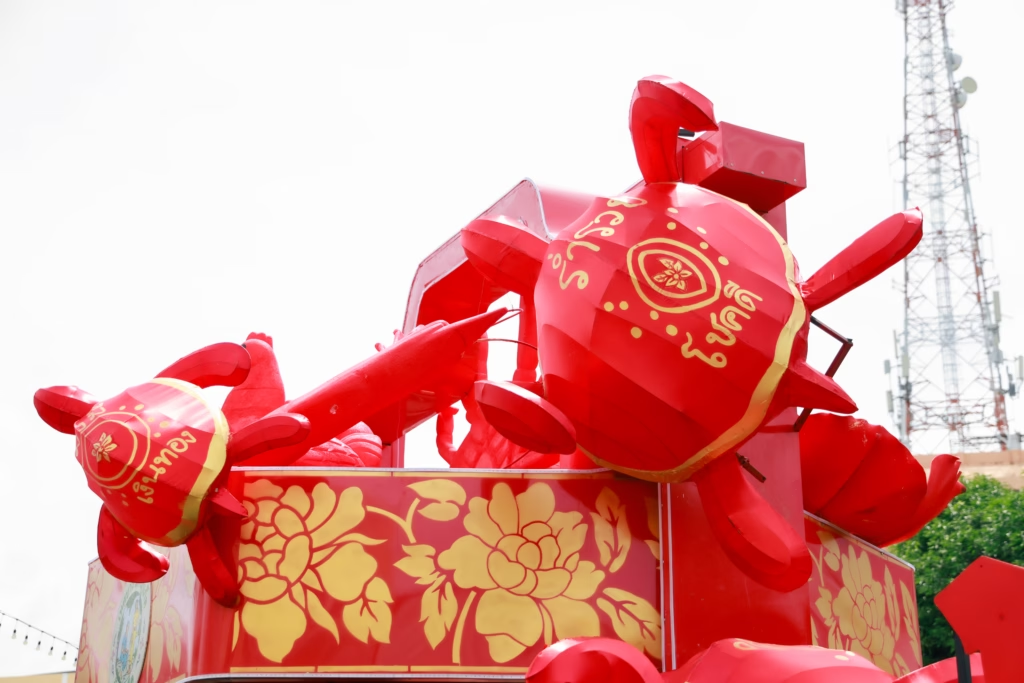
The Red Turtle Cake (Ang Ku) is the most iconic element of Por Tor. Shaped like a turtle (a Chinese symbol of long life and endurance) and dyed in auspicious red, these cakes are made from glutinous rice flour and filled with mung bean or sweetened red bean paste.
Each year, communities create giant red turtle cakes weighing hundreds of kilograms, parading them around Phuket Old Town. It is believed this brings prosperity and blessings to the community.

Rituals and Highlights
- Ancestor & Spirit Offerings
At Por Tor Kong and Jui Tui shrines, families set up elaborate offerings of rice, fruits, and traditional pastries. - Red Turtle Cake Parade
A vibrant spectacle with lion dances, drumming, and processions carrying giant red turtles through the streets. - Cultural Performances
Local Peranakan music, folk dances, and Baba-heritage shows fill the festival nights with atmosphere. - Old Town Cultural Market
Visitors can taste rare local dishes like Mee Hoon Gaeng Poo (vermicelli with crab curry), O-Tao (oyster omelet), and Peranakan desserts—many only available during this season.
Social and Cultural Dimensions
- Religious: Reflects beliefs about the afterlife, influenced by Mahayana Buddhism and Chinese folk religion.
- Family: A time of reunions, where generations gather to prepare offerings and share meals.
- Community: A festival of solidarity, uniting neighborhoods in ritual and celebration.
- Tourism: Today, Por Tor has become a cultural soft power for Phuket, offering visitors a rare chance to witness living heritage beyond the beaches.
Por Tor and Phuket Old Town
Por Tor Festival is inseparable from Phuket Old Town, a historic district lined with Sino-Portuguese mansions and colorful shop-houses.
During the festival, Thalang, Dibuk, and Krabi Roads glow with red lanterns, contrasting against century-old architecture. The entire neighborhood transforms into a cultural stage where faith, food, and architecture coexist.
- Shrines as the Heart: Por Tor Kong and Jui Tui Shrines serve as the spiritual core of the ceremonies.
- Community Gathering: Students, families, and travelers join the parade of giant red turtle cakes.
- Cultural Stage: Alongside rituals, folk music and Peranakan arts are showcased in the Old Town streets.
UNESCO has recognized Phuket as a Creative City of Gastronomy, and Por Tor reinforces both intangible heritage (rituals, beliefs) and tangible heritage (shrines, architecture, urban design).
Why It Matters for Tourism
Por Tor Festival brings pride to locals while offering visitors a new dimension of Phuket. Beyond its world-famous beaches, travelers discover faith, food, and heritage in a single event. This cultural diversity makes Phuket stand out as a truly world-class destination.
Visitor Tips
- Dress respectfully when visiting shrines.
- Try Red Turtle Cakes and Peranakan dishes unique to this festival.
- Bring a camera—the lanterns and processions are stunning.
- Stay overnight in Old Town to enjoy both daytime rituals and evening festivities.

Festival Dates – 2025
The Por Tor Festival Phuket 2025 will be held from September 4 – 21, 2025.
Main Procession:
📍 Phuket Thai Hua Museum, Krabi Road
📅 September 6, 2025 – 5:00 PM
Opening Ceremony:
📍 Phuket Thai Hua Museum, Krabi Road
📅 September 4, 2025 – 5:00 PM