


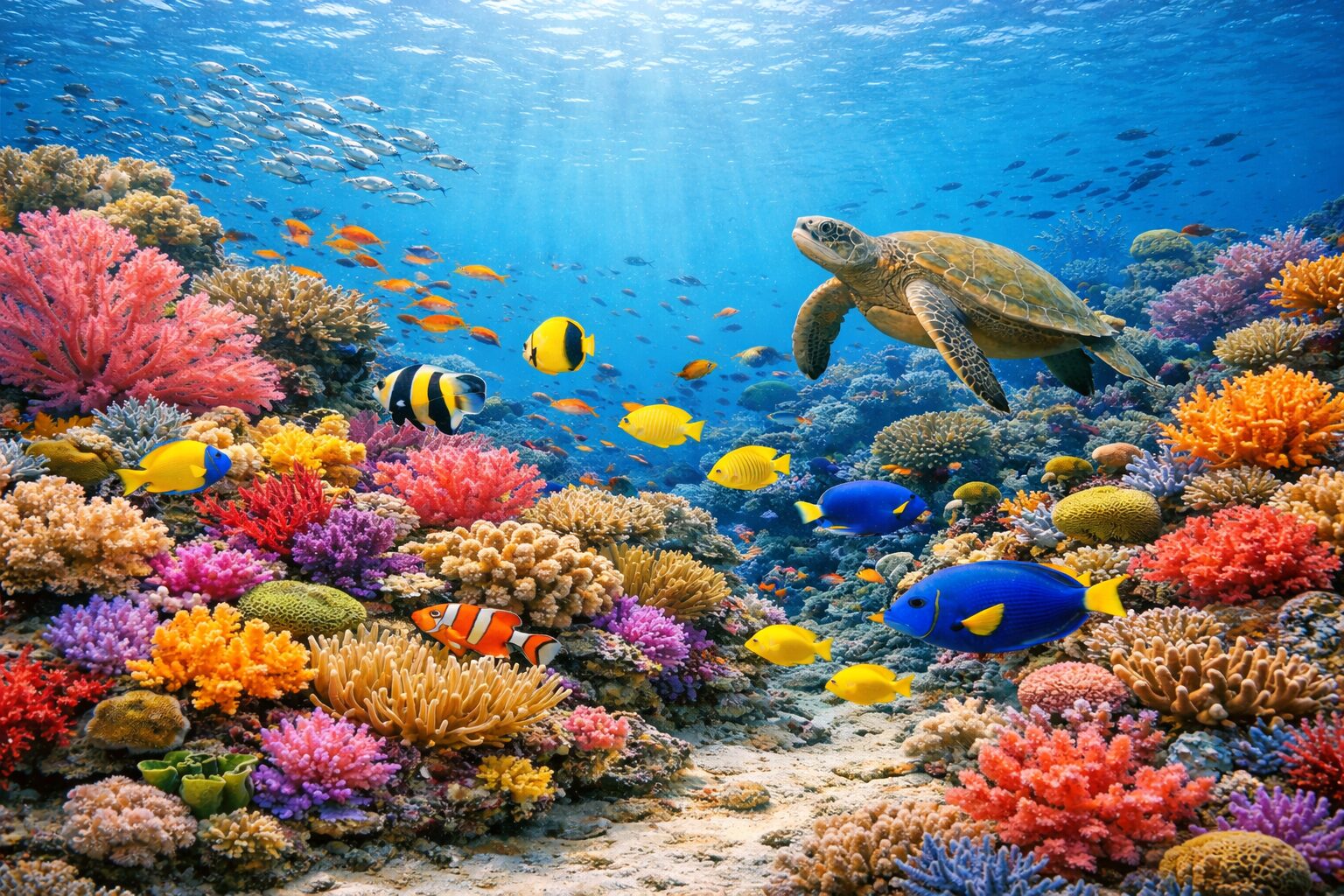
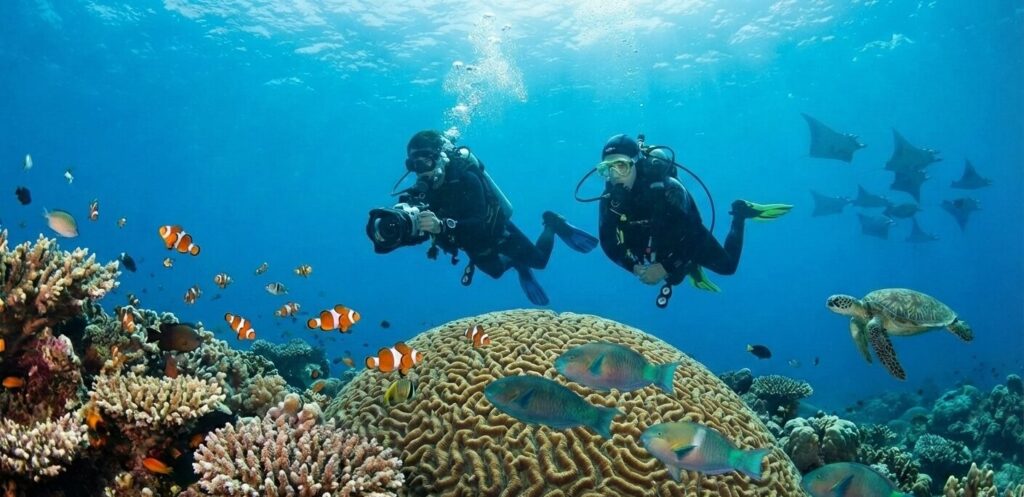
Coral reefs are often likened to the rainforests of the sea, representing one of the planet’s most biodiverse ecosystems. Despite covering only 0.1% of the ocean floor, they are home to 25% of all marine life, including approximately 4,000 fish species and over 800 coral species . The beauty and significance of coral reefs are therefore undeniable.
Table of Contents
The Immense Importance of Coral Reefs
Coral reefs play a crucial role in both ecosystems and human societies in several dimensions:
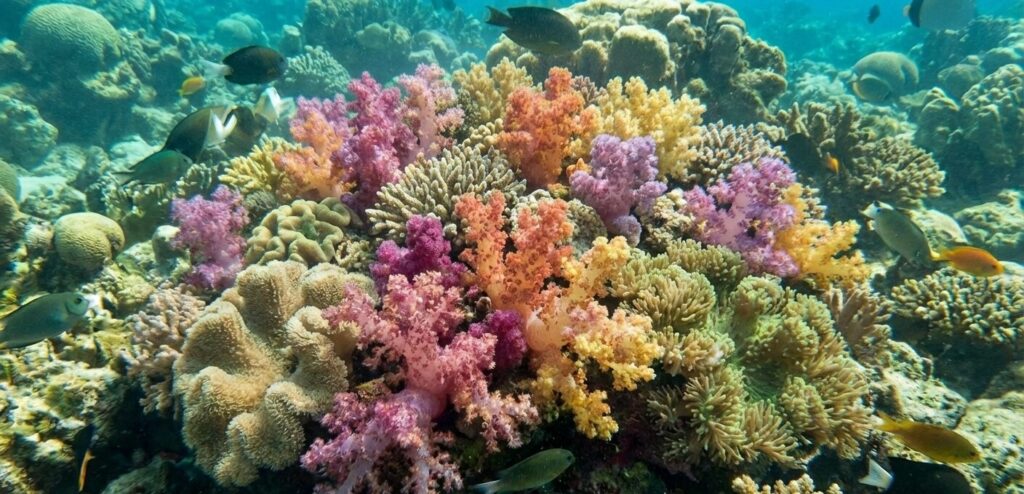
•Biodiversity Hotspots: They serve as nurseries for juvenile marine life, food sources, and habitats for a vast array of underwater creatures, contributing to a balanced food web and sustaining marine ecosystems.
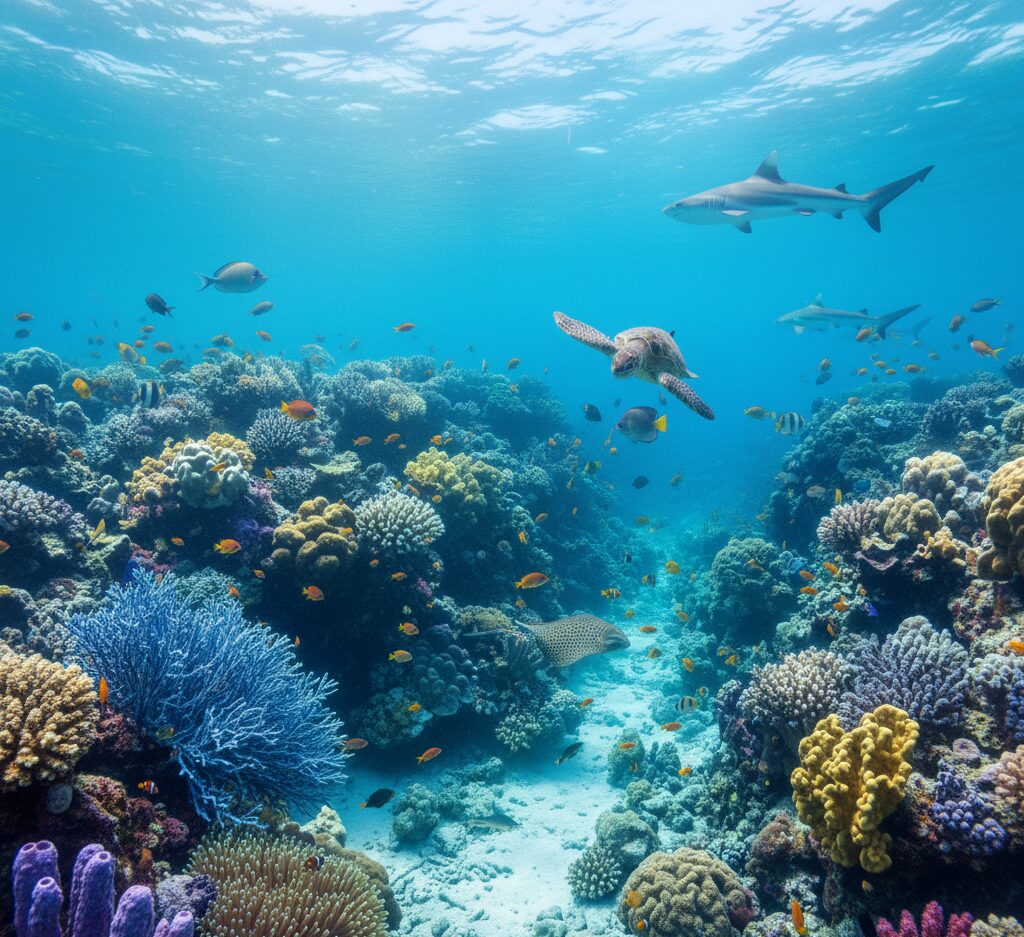
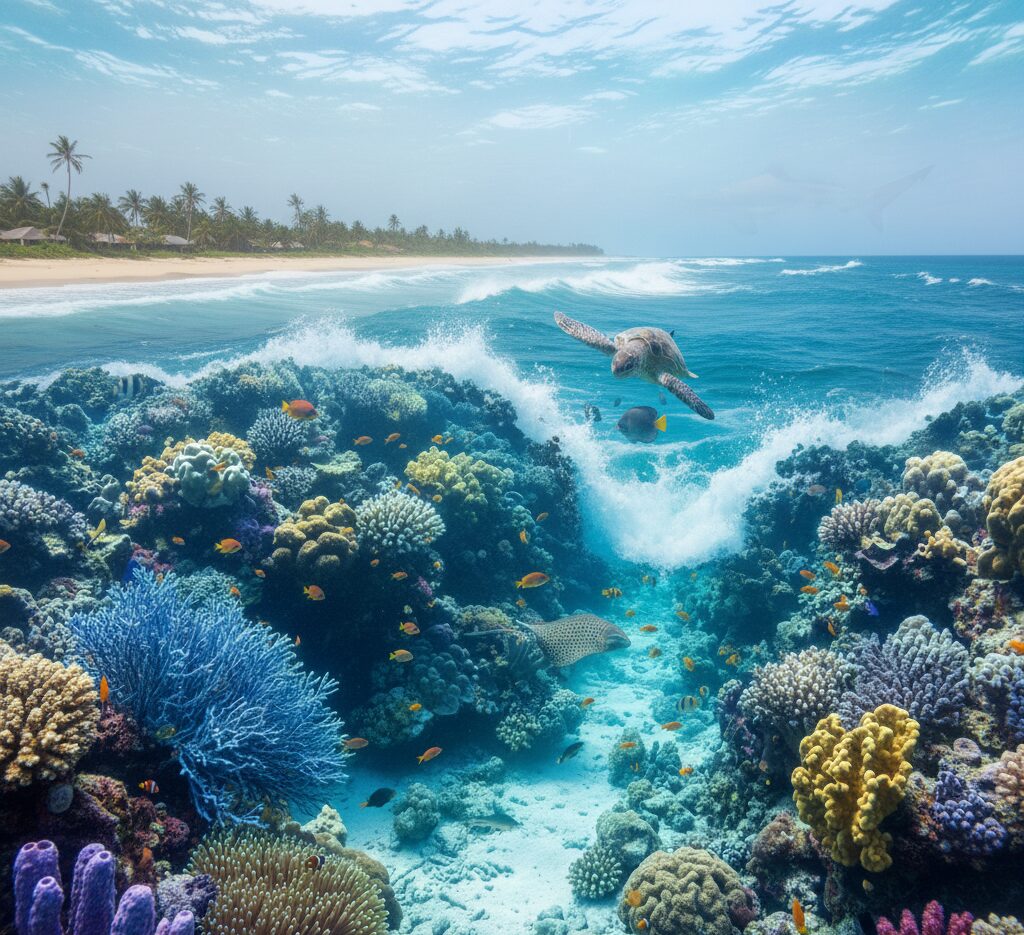
Coastal Protection: The structure of coral reefs helps to reduce the impact of waves and storms, preventing coastal erosion and minimizing damage to coastal areas .
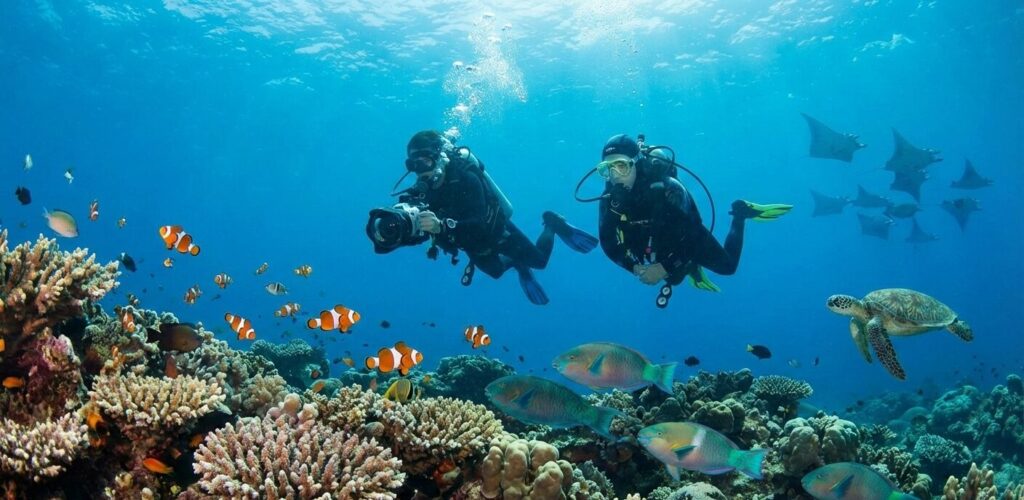
Economic Value: Coral reefs attract numerous tourists, generating substantial income from ecotourism, diving, and fishing. They are also a vital source of protein for coastal communities.

Medical Potential: Organisms within coral reefs are a source of bioactive compounds with potential for developing various medicines, such as cancer treatments or antiviral drugs .
Types of Coral: Diverse Forms Beneath the Waves
Corals come in various shapes and characteristics, which influence the formation of coral reefs:
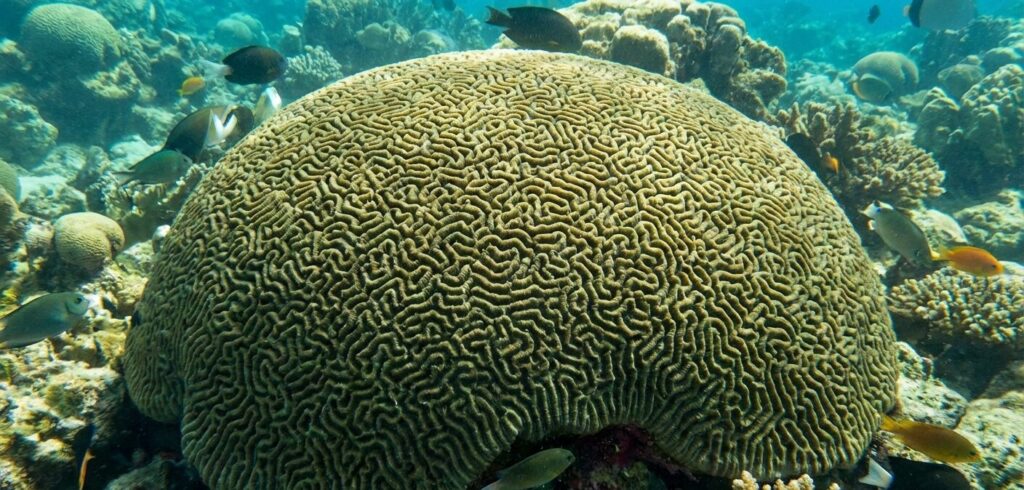
•Massive Coral: Resembling large rocks, these corals are strong and resilient to currents and waves, often forming the primary structure of coral reefs.
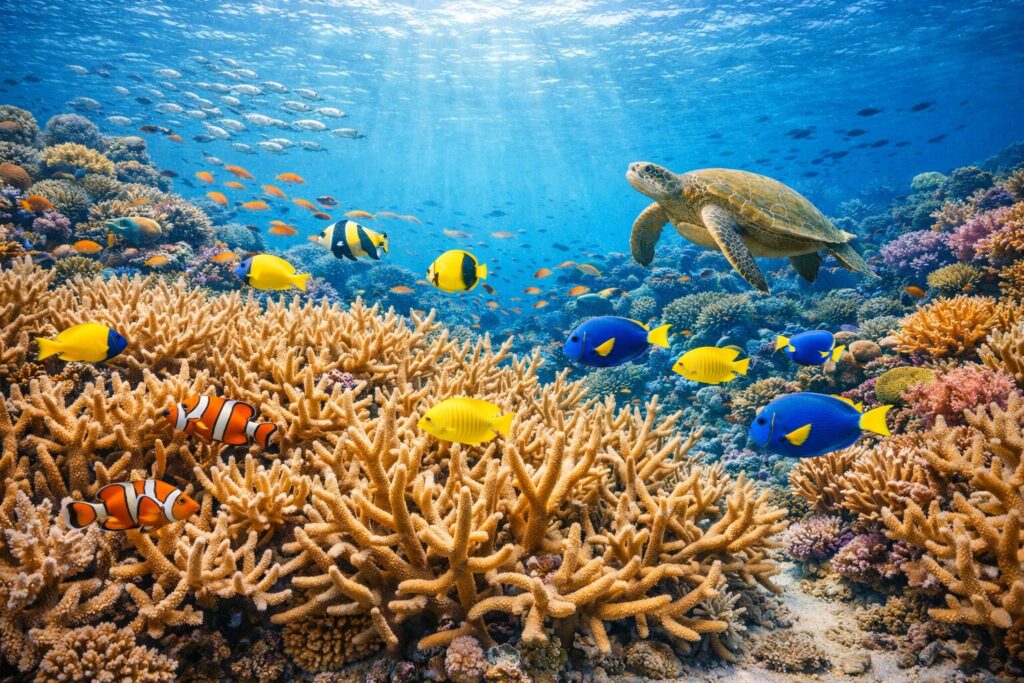
Branching Coral: Characterized by antler-like branches, they grow rapidly but are relatively fragile and easily broken.
•ปะการังแผ่น (Tabulate/Foliose Coral): มีรูปร่างคล้ายแผ่นหรือใบไม้ ซ้อนทับกันเป็นชั้นๆ สร้างที่หลบภัยให้กับสัตว์ทะเลขนาดเล็ก
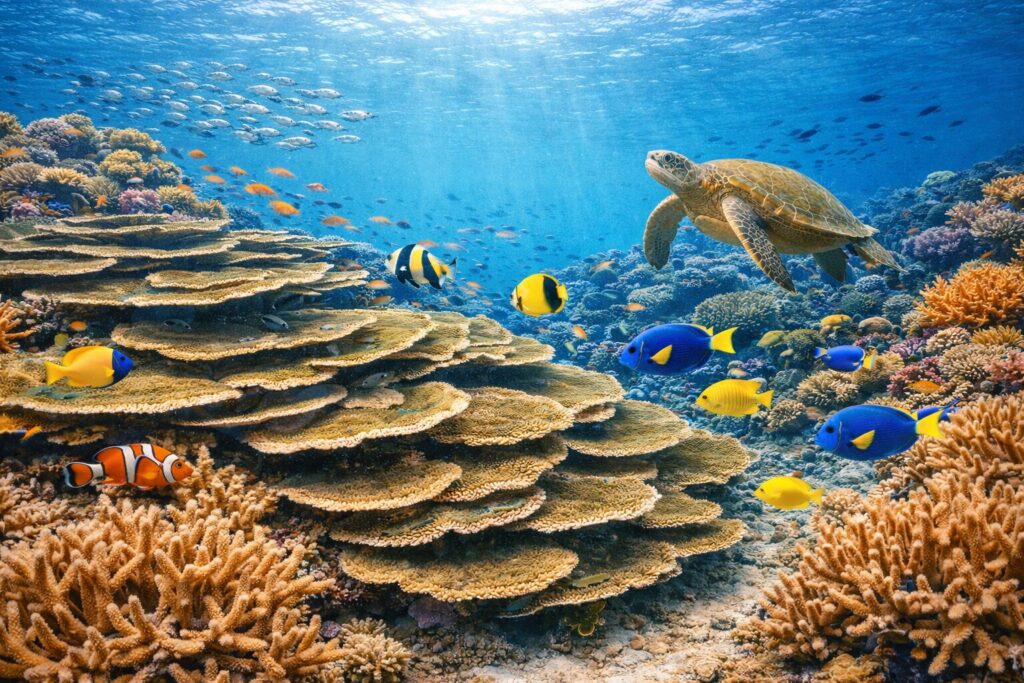
•Tabulate/Foliose Coral: Shaped like plates or leaves, they overlap in layers, providing shelter for small marine animals.
•Soft Coral: Unlike hard corals, they lack a rigid stony skeleton. They are soft and sway with the currents, displaying vibrant colors and providing habitat for numerous small marine creatures.
Threats and Conservation of Coral Reefs
Coral reefs worldwide are facing several severe threats:
•Climate Change: Rising sea temperatures lead to “coral bleaching,” a condition where corals expel the symbiotic zooxanthellae algae living within their tissues, causing them to turn white and potentially die if temperatures do not decrease .
Marine Pollution: Plastic waste, wastewater from communities and industries, and various chemicals all negatively impact the health of corals and reef organisms.
Unsustainable Fishing: Destructive fishing practices, such as trawling or the use of explosives and chemicals, destroy coral reef structures and the life they support.
Irresponsible Tourism: Stepping on corals, anchoring boats on reefs, or inappropriate fish feeding all cause damage to this fragile ecosystem.
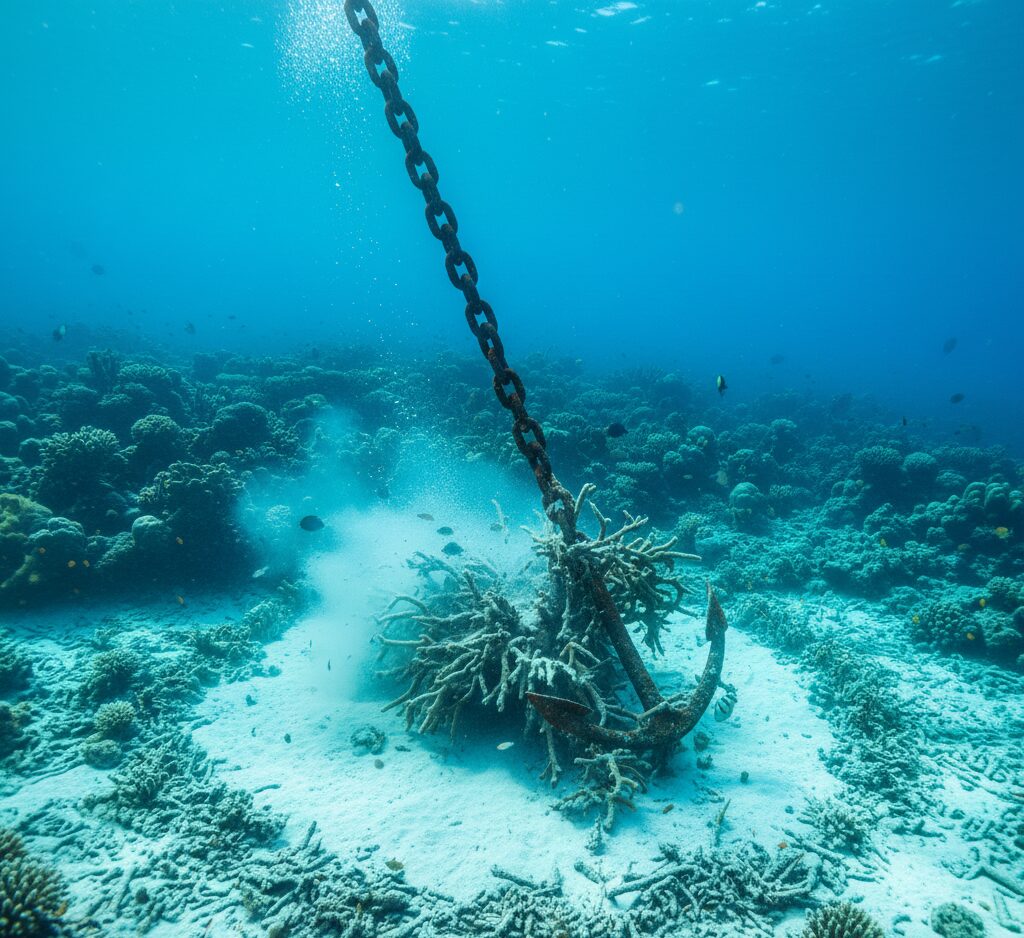
Therefore, coral reef conservation is a crucial mission that everyone must participate in. This can be achieved by reducing greenhouse gas emissions to mitigate climate change, effectively managing waste and wastewater, supporting sustainable fishing practices, and promoting responsible tourism, as well as raising awareness about the value of coral reefs .
Conclusion
Coral reefs are invaluable ecosystems, serving as the origin of marine life, a protective barrier for coastlines, and a significant source of income. Understanding the diversity and importance of coral reefs, along with the threats they face, will help us collectively protect these underwater jewels to ensure their continued existence on our planet.
🩵🌊 Let your heart wander with the Andaman Sea. Travel with Love Andaman 🫶