


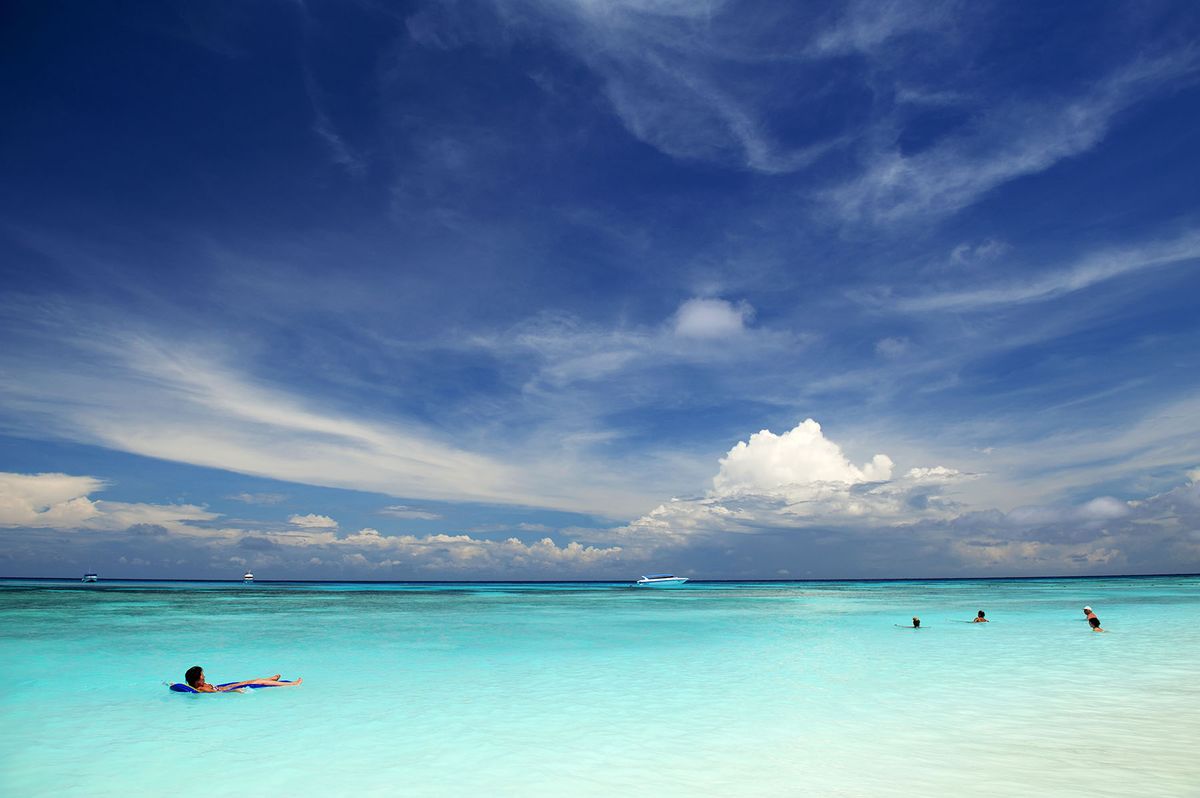
Koh Tachai, a hidden gem of the Andaman Sea located within Mu Ko Similan National Park, is widely recognized as one of the most beautiful islands in the world. The island is famous for its powdery white sand—often compared to Coffee Mate creamer—and its crystal-clear turquoise waters. However, Koh Tachai has been closed for environmental restoration since 2016 under the policy of the Department of National Parks, Wildlife and Plant Conservation, allowing its ecosystem to recover and return to a healthy state.
Table of Contents
Good News: Koh Tachai’s Return in 2026
After more than nine years of restoration, the Department of National Parks, Wildlife and Plant Conservation (DNP) has sent positive signals regarding the possible reopening of Koh Tachai to tourism. The island is expected to welcome visitors again in 2026, under a sustainable tourism model aligned with the principles of the United Nations World Tourism Organization (UNWTO).
Long-Awaited Charm: What Makes Koh Tachai Unique
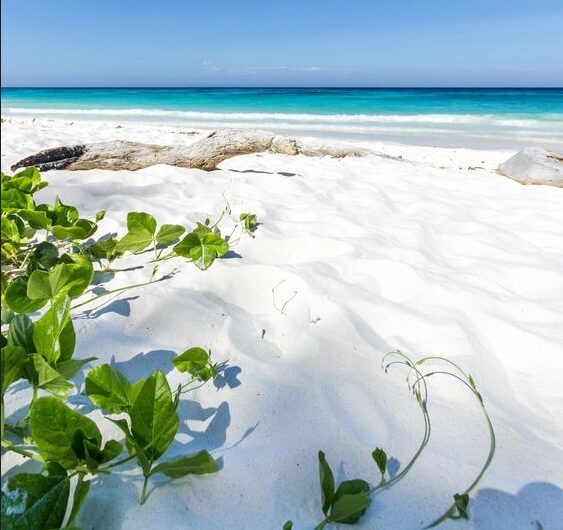
🏖️ Powder-White Sand Beach
Koh Tachai’s beach is exceptionally fine and bright white, earning recognition from international travel media as one of the most beautiful beaches in the Andaman Sea
🦀 Rare Island Wildlife
Koh Tachai is home to unique and rare species such as:
- Chicken Crabs, large land crabs known for sounds resembling a chicken’s call
- Giant Hermit Crabs, significantly larger than typical hermit crabs
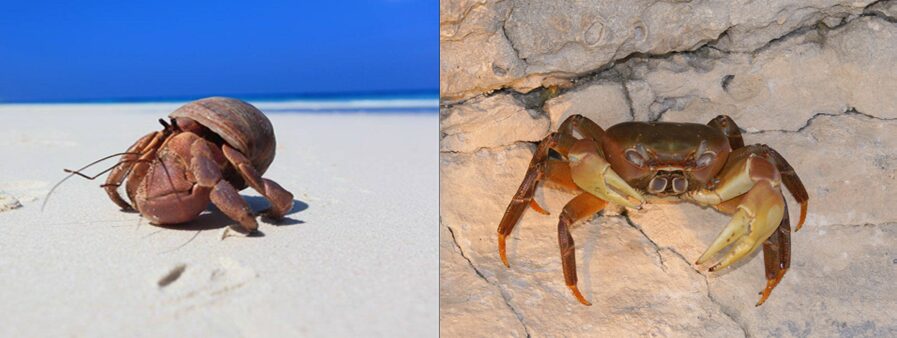
Limiting the number of visitors helps ensure that these animals can live peacefully in their natural habitat.
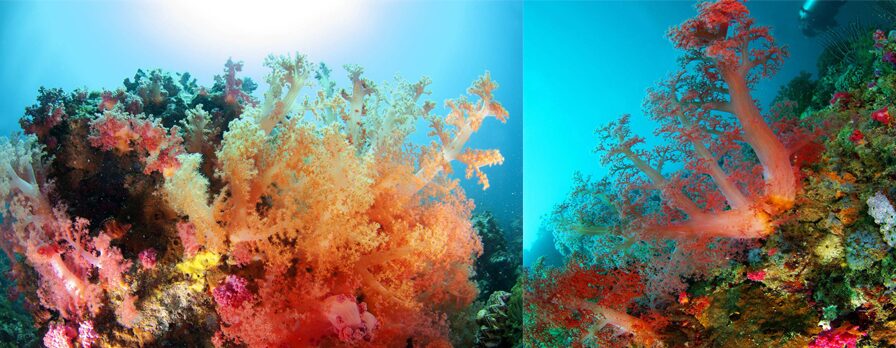
🐠 Rich Underwater World
The coral reefs surrounding Koh Tachai have been steadily recovering over the past nine years. Marine scientists expect the reefs to return to a near-original state.
Conclusion: Responsible Tourism Is the Future
The reopening of Koh Tachai in 2026 is not simply about reviving tourism—it represents a new approach that prioritizes conservation above all else. If visitors prepare responsibly and strictly follow regulations, this “Jewel of the Andaman” can remain pristine and beautiful for generations to come.