


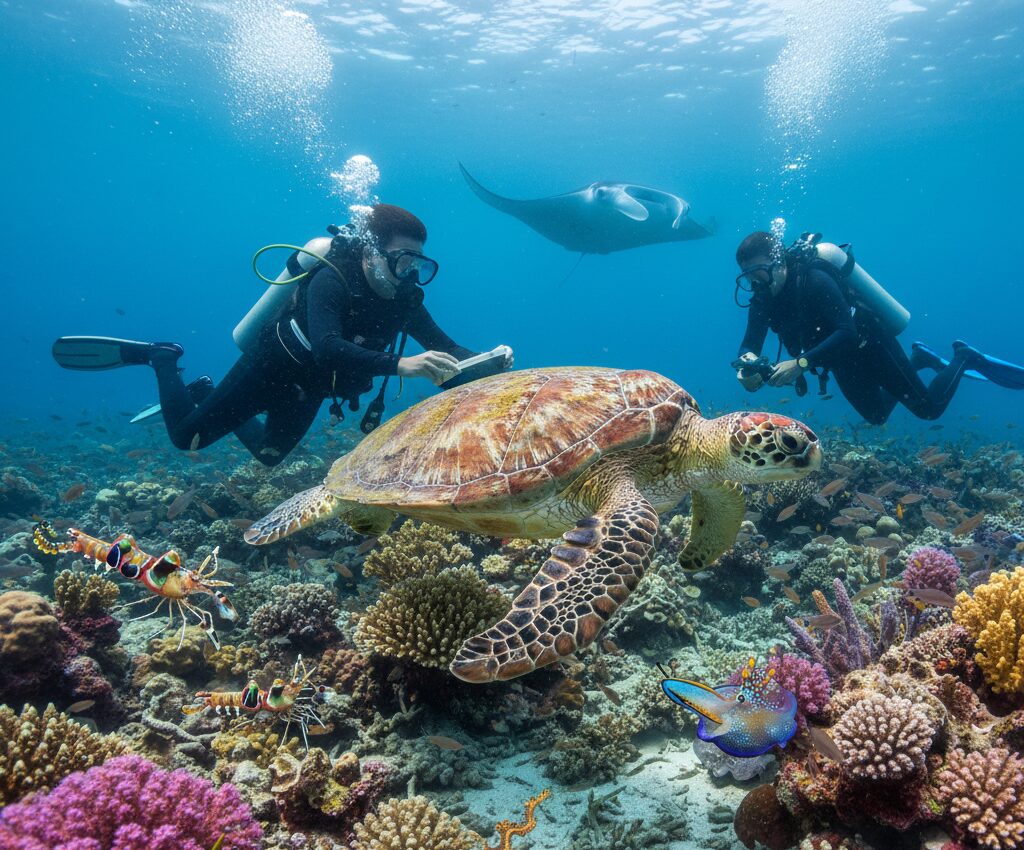
The underwater world is not only home to clownfish and colorful coral reefs. It also hides many rare marine species that divers and general travelers may never encounter on typical trips. This article takes you deep beneath the surface to explore these extraordinary creatures, while also learning how to properly behave when encountering sea turtles, one of Thailand’s most iconic marine animals, in a responsible and nature-friendly way.
Table of Contents
Rare Marine Animals That Are Difficult to Encounter on Regular Trips
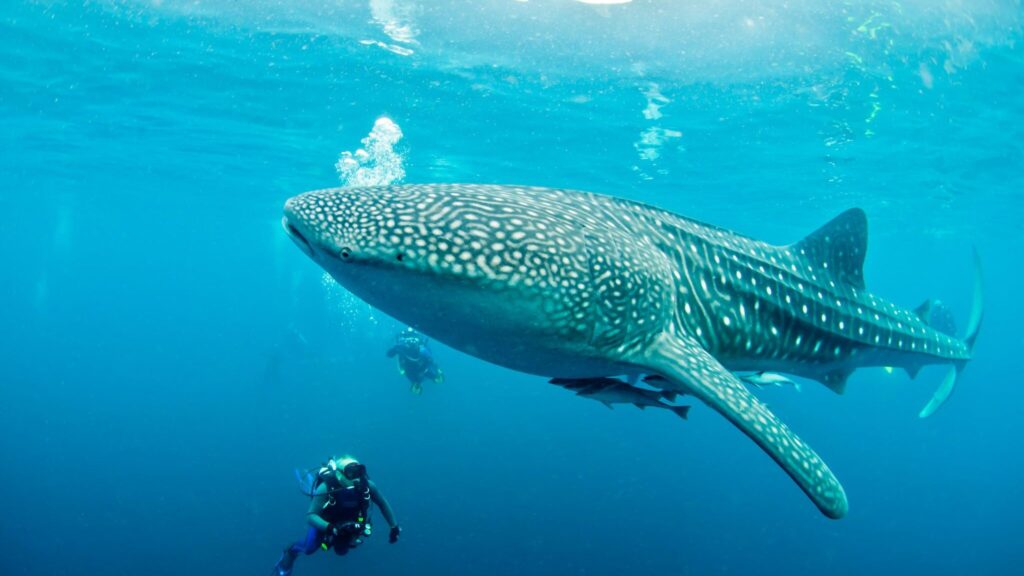
1. Whale Shark
The gentle giant of the ocean. Despite its massive size, the whale shark is harmless to humans. Encounters depend greatly on season, ocean currents, and pure luck, making sightings a true “once-in-a-lifetime” experience.
2. Manta Ray
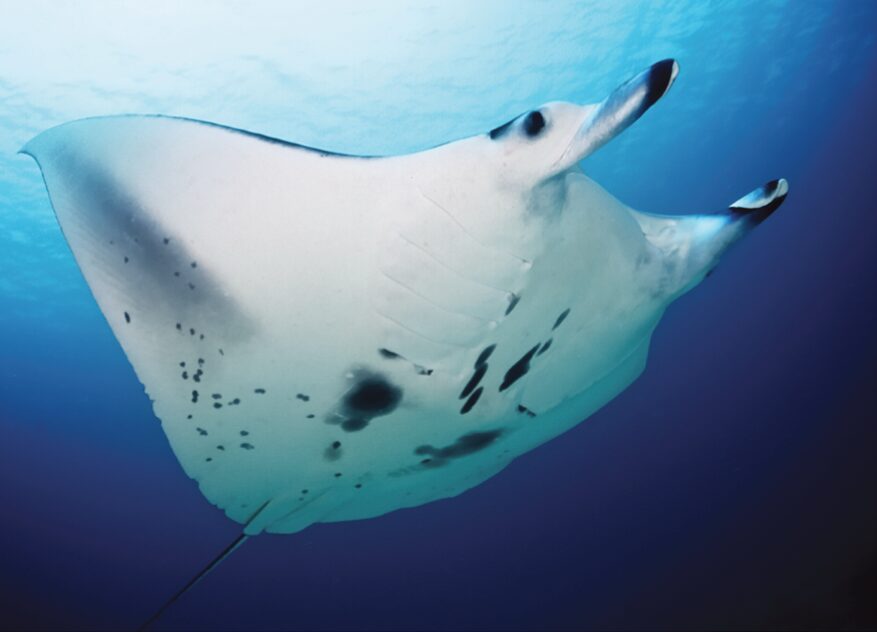
The graceful flyers of the sea. Manta rays are usually found in deep-diving sites or areas with strong currents. Watching one glide effortlessly overhead is an unforgettable underwater moment.
3. Seahorse
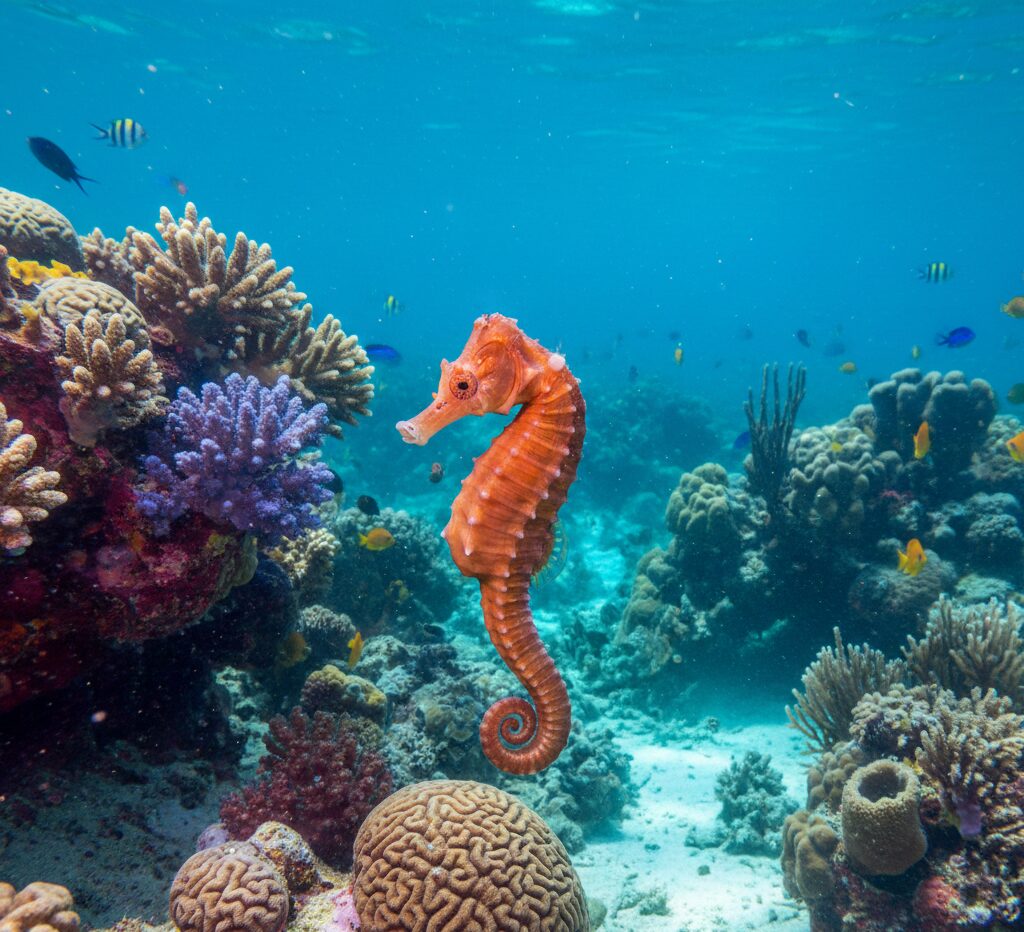
Small but rare, seahorses require sharp observation skills and patience to spot. They often cling to sea fans or seagrass and are extremely sensitive to disturbance.
4. Mimic Octopus
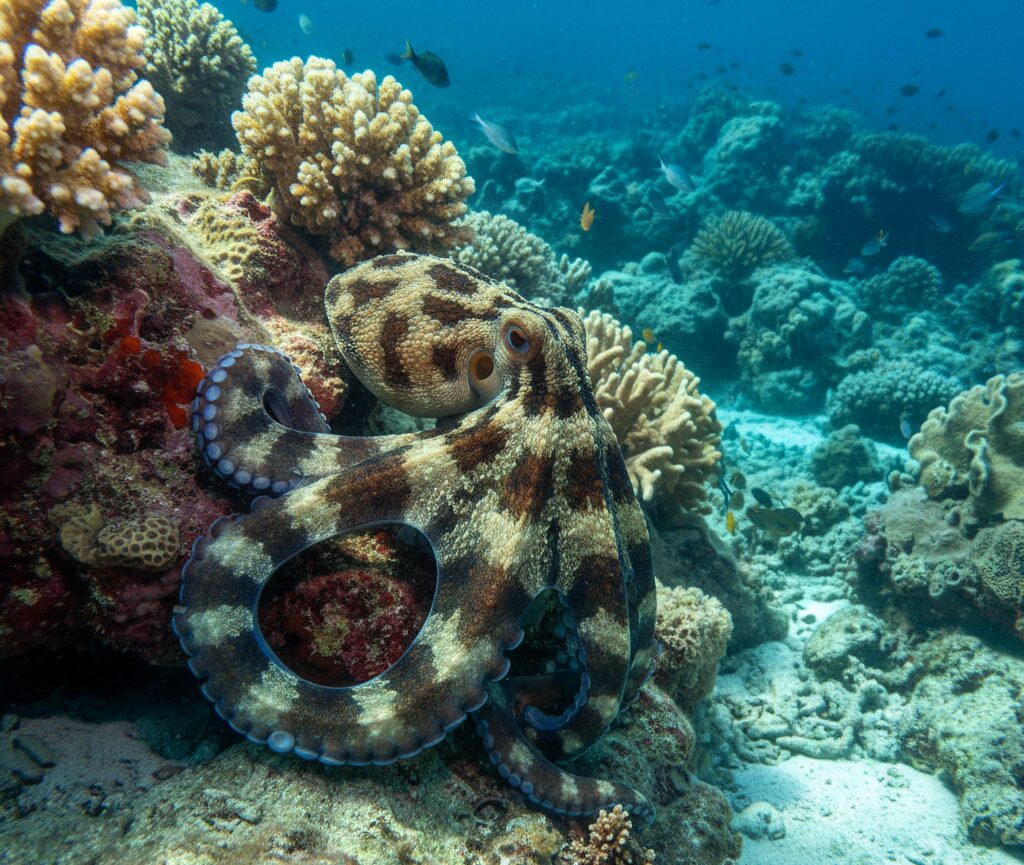
The master performer of the ocean, capable of imitating other marine animals for protection. Mimic octopuses are rarely seen and usually inhabit sandy or muddy seabeds.
Sea Turtles: How to Care for Them When You Encounter One
Sea turtles are protected species and important indicators of a healthy marine ecosystem. If you are fortunate enough to encounter a sea turtle while diving or snorkeling, follow these guidelines:
What You Should Do
- Keep a distance of at least 3–5 meters
- Remain calm and move slowly
- Observe from a distance
- Allow the turtle to control its own direction
What You Should Not Do
- Do not touch, ride, or block the turtle’s path
- Do not chase or surround it for photos
- Avoid using flash photography at close range
- Never feed sea turtles
Small actions from every traveler can help sea turtles live naturally and safely in their environment.
Responsible Marine Tourism = Long-Term Conservation
Encountering rare marine life should never come at the cost of environmental damage. Choosing eco-friendly tour operators, using reef-safe equipment, and strictly following diving guidelines are the foundation of sustainable marine tourism.
Because the beauty of today’s underwater world will only remain if we all take responsibility for protecting it.
Eco-Friendly tour with us Love Andaman 💙
Similan Day trip
Surin Islands Day trip
Phi Phi Island + Bamboo