


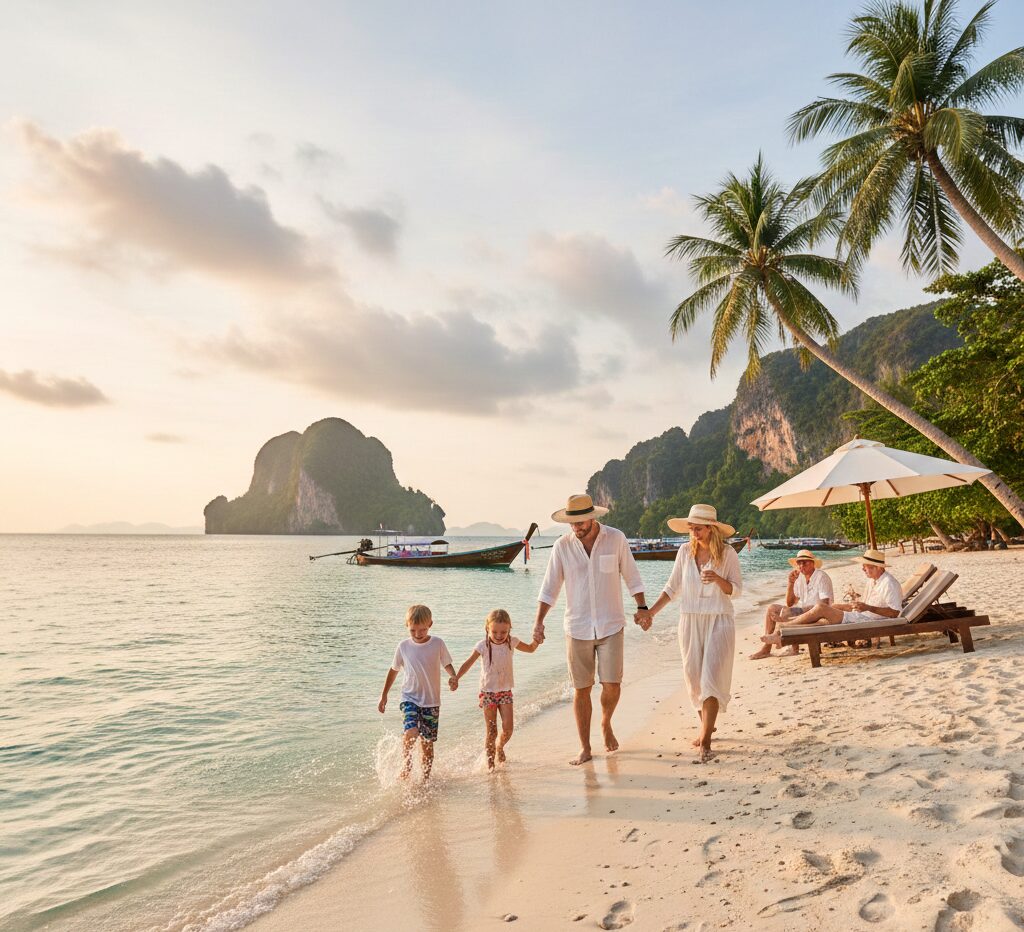
The Andaman Sea is renowned for its beautiful white sandy beaches, crystal-clear waters, and rich underwater world, making it a dream destination for many, including families with young children. Taking children to the Andaman Sea can create memorable experiences and foster their development, but it requires careful planning and a strong emphasis on safety. This article will provide tips to ensure your family’s Andaman Sea trip is both fun and safe.
Table of Contents
Preparation Before Traveling: Plan Carefully
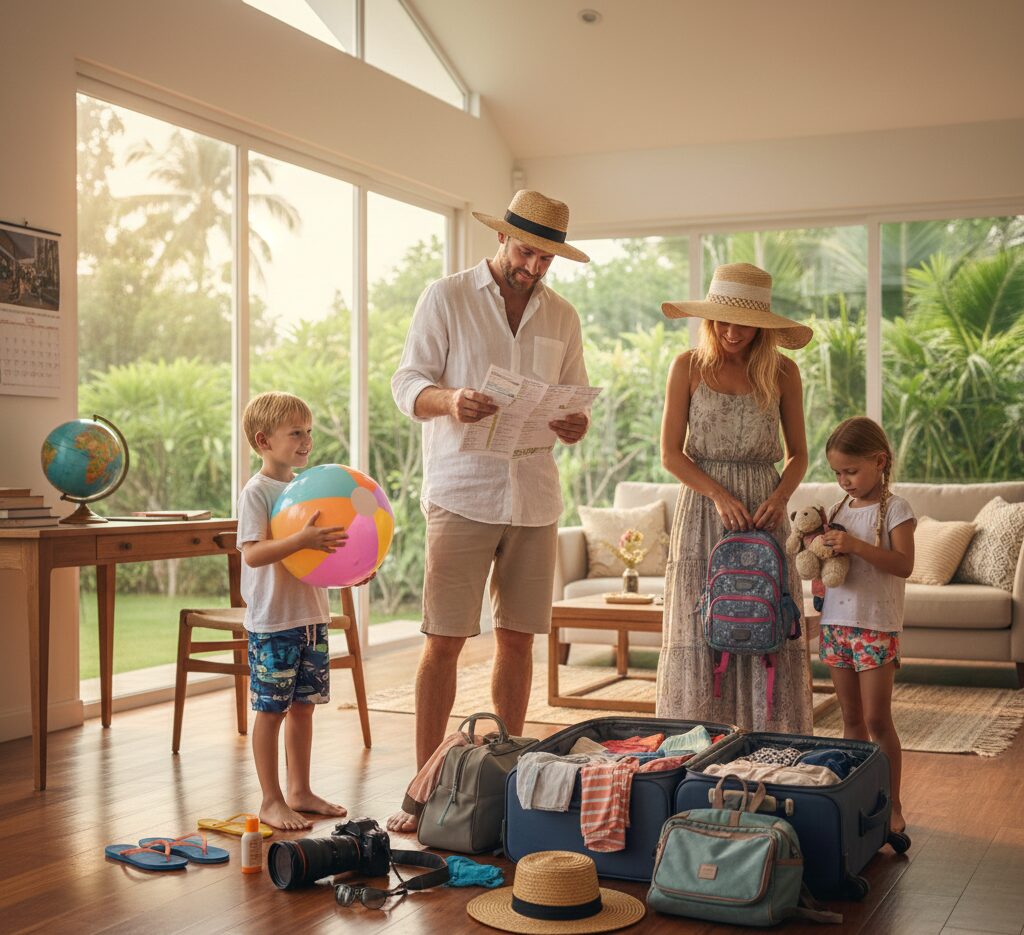
Good preparation is the key to a smooth family trip:
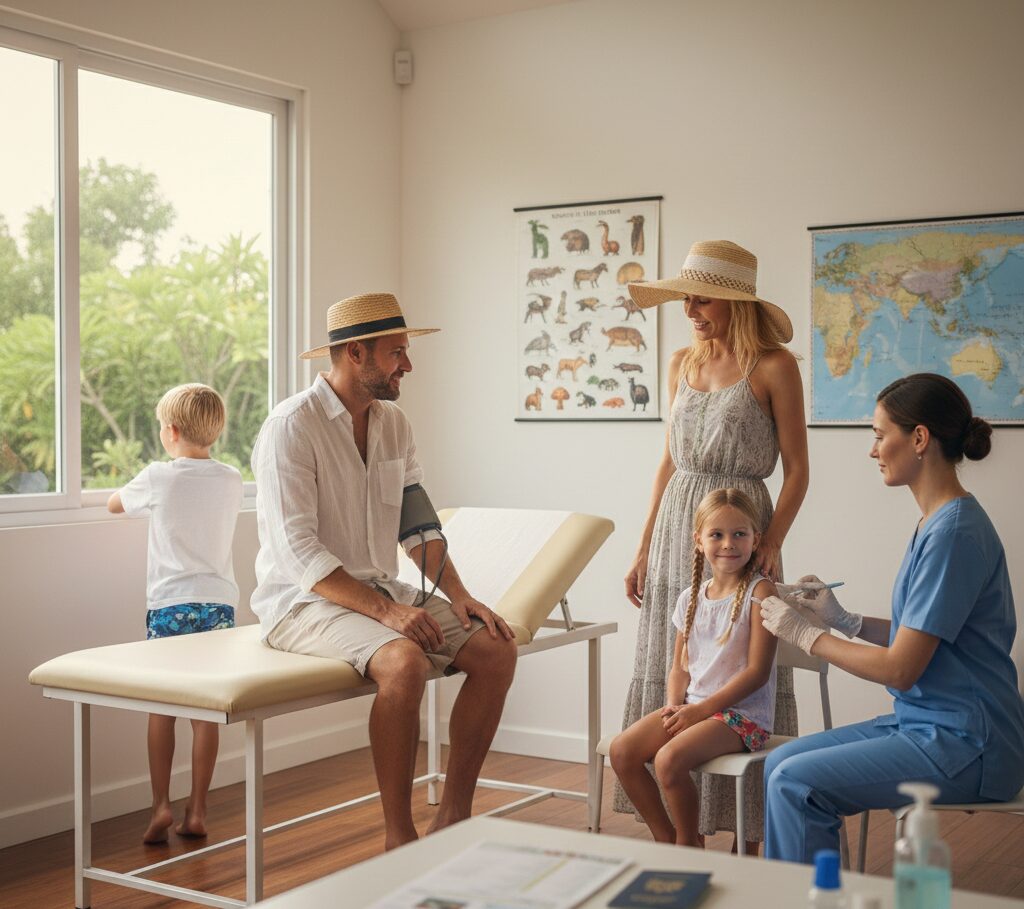
•Health Check-up: Before traveling, ensure that both children and parents are in good health. If anyone has pre-existing conditions, consult a doctor and prepare all necessary medications. Additionally, pack common household medicines such as allergy medication, pain relievers/fever reducers, and motion sickness medication .
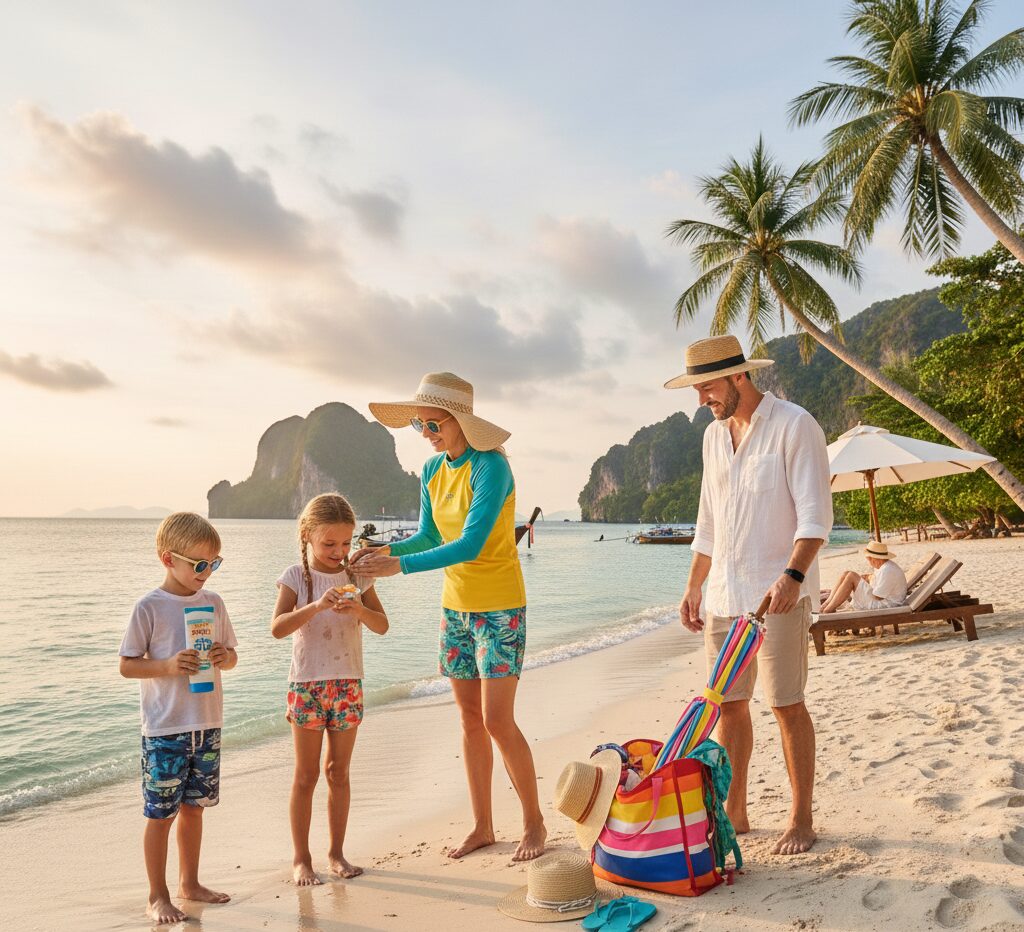
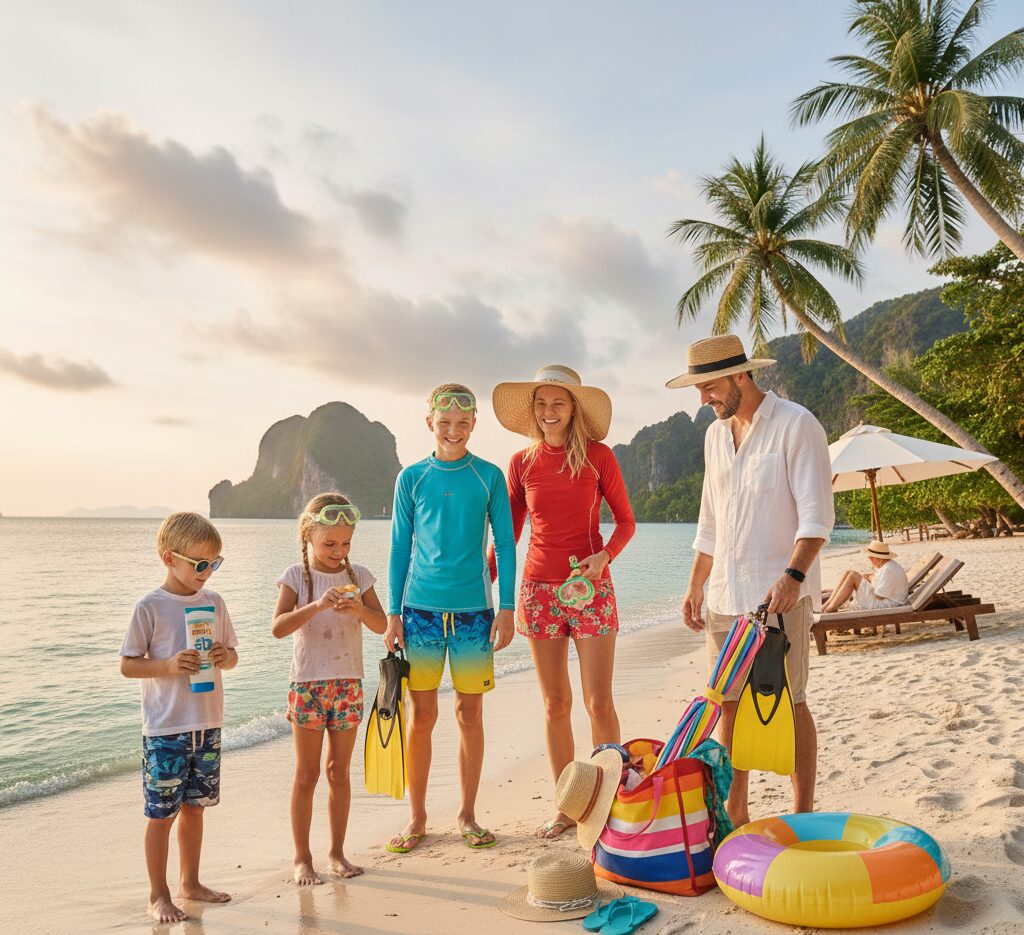
•Sun Protection Gear: The sun in the Andaman Sea can be quite strong. Prepare high-SPF sunscreen specifically for children that is also Reef Safe (does not harm coral reefs). Wide-brimmed hats, sunglasses, and long-sleeved, long-legged UV-protective clothing will effectively shield children’s delicate skin.
•Swimwear and Water Gear: Pack appropriate swimwear for children’s ages, water shoes to prevent injuries from rocks or shells, and most importantly, a life jacket that fits the child snugly and comfortably. Children should wear life jackets at all times when near water or on a boat .
Choosing Suitable Locations and Activities for Their Age
Selecting islands and activities that cater to children’s interests will make the trip more enjoyable:
•Choose easily accessible islands with complete facilities: Larger islands like Phuket or Krabi often have comprehensive facilities, including hospitals, shops, and accommodations with Kids’ Clubs or children’s swimming pools .
•Activities children will love:
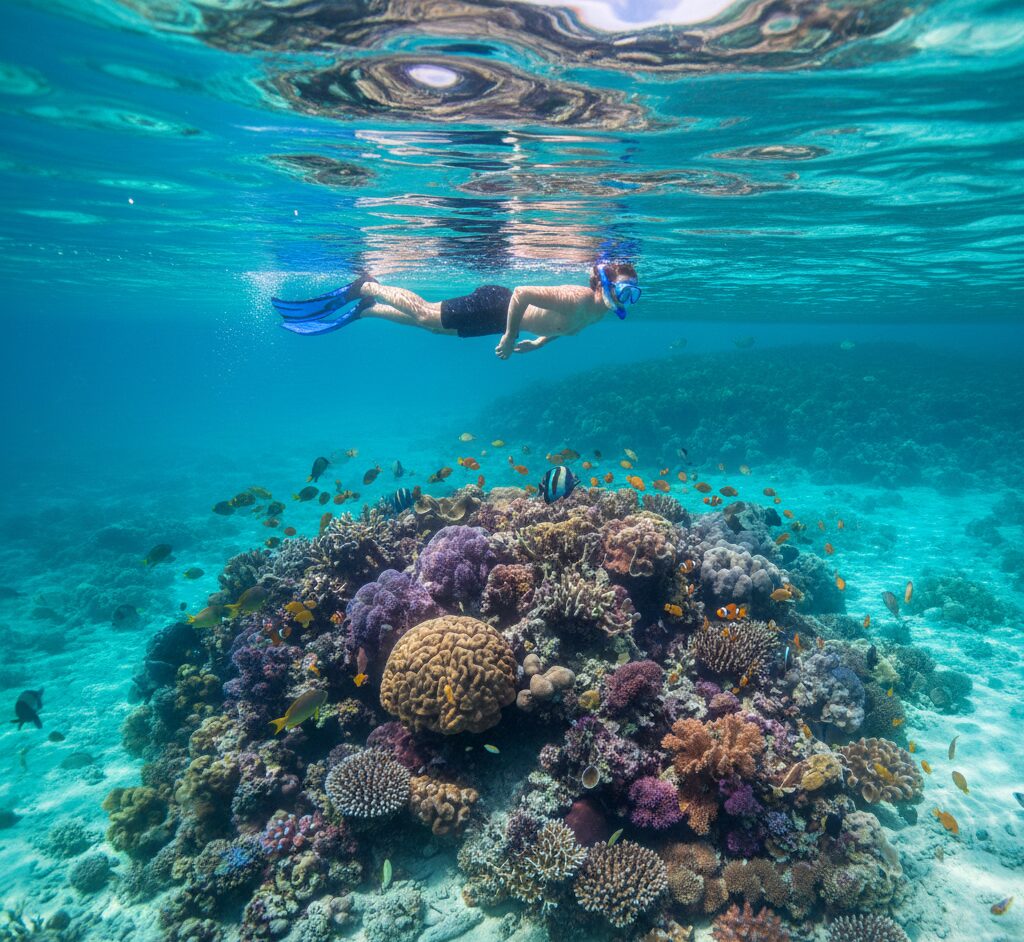
•Snorkeling: Take children to explore the beautiful underwater world, especially to find clownfish (Nemo), a favorite among many kids. Choose snorkeling spots with shallow water and gentle currents.
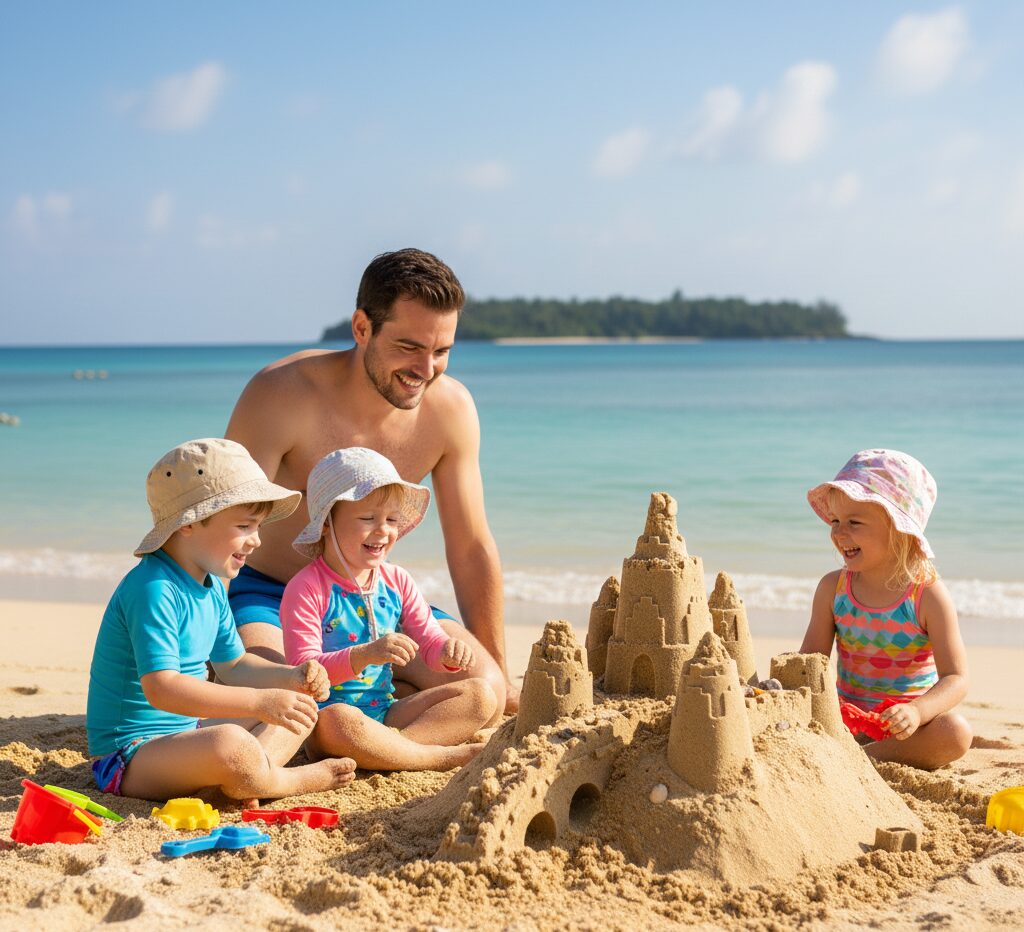
•Building Sandcastles: A classic beach activity that provides great fun and stimulates children’s imagination.
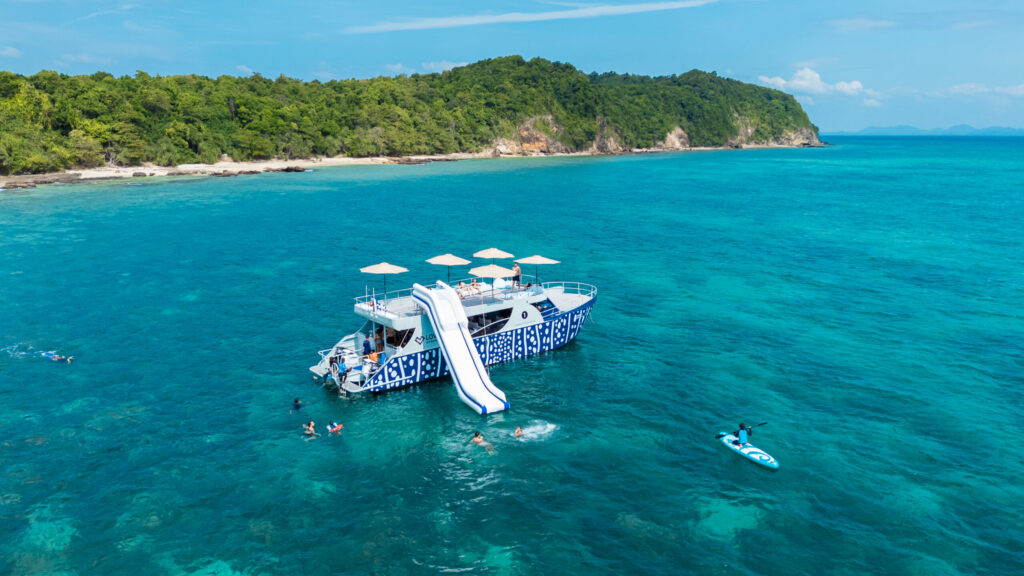
•Boat Travel: If traveling by speedboat, children should sit in the middle of the boat to reduce impact, and adults should supervise them closely at all times .

Essential Safety Tips
Safety is the top priority when taking children to the sea:
•Close Supervision: Adults must keep a constant eye on children, whether they are on the beach, swimming, or on a boat. There should be at least one adult supervising every 1-2 children.
•Protection from Insects and Marine Animals: Apply insect repellent to prevent mosquito and insect bites. Be cautious of jellyfish; if stung, apply vinegar to the affected area .
•Cleanliness and Environmental Responsibility: Teach children to dispose of trash in designated bins, not to throw it into the sea, and not to collect shells, corals, or marine animals to take home, in order to preserve the marine environment .
Family-Friendly Facilities
•Family-Friendly Accommodation: Choose hotels or resorts with child-friendly facilities such as children’s pools, playgrounds, or babysitting services. If traveling with infants, inquire about cribs or cots.
•Island Transportation: If traveling around the island, prepare an easily foldable stroller or a baby carrier for convenient movement and exploration of different areas.